Sexual Health, Readiness, and the Limits of Training: An Intersectional Socio-Ecological Analysis of Sexualities Education in the U.S. Army.
Doctor of Philosophy in Human Sexuality | California Institute of Integral Studies | 2026
Status: Oral Dissertation Defense scheduled, details below
What is a Dissertation Study?
A dissertation is the final research project required to earn a doctoral degree (Ph.D.). It is an original and independent investigation that contributes new knowledge to a specific academic field.
Unlike shorter research papers or coursework, a dissertation is a sustained, multi-year scholarly endeavor. It involves identifying a significant research problem, grounding the study in theory, designing and conducting systematic research, analyzing data, and presenting findings that advance understanding within the discipline.
At its core, a dissertation demonstrates a scholar’s ability to think critically, conduct rigorous research, and make a meaningful contribution to their field.
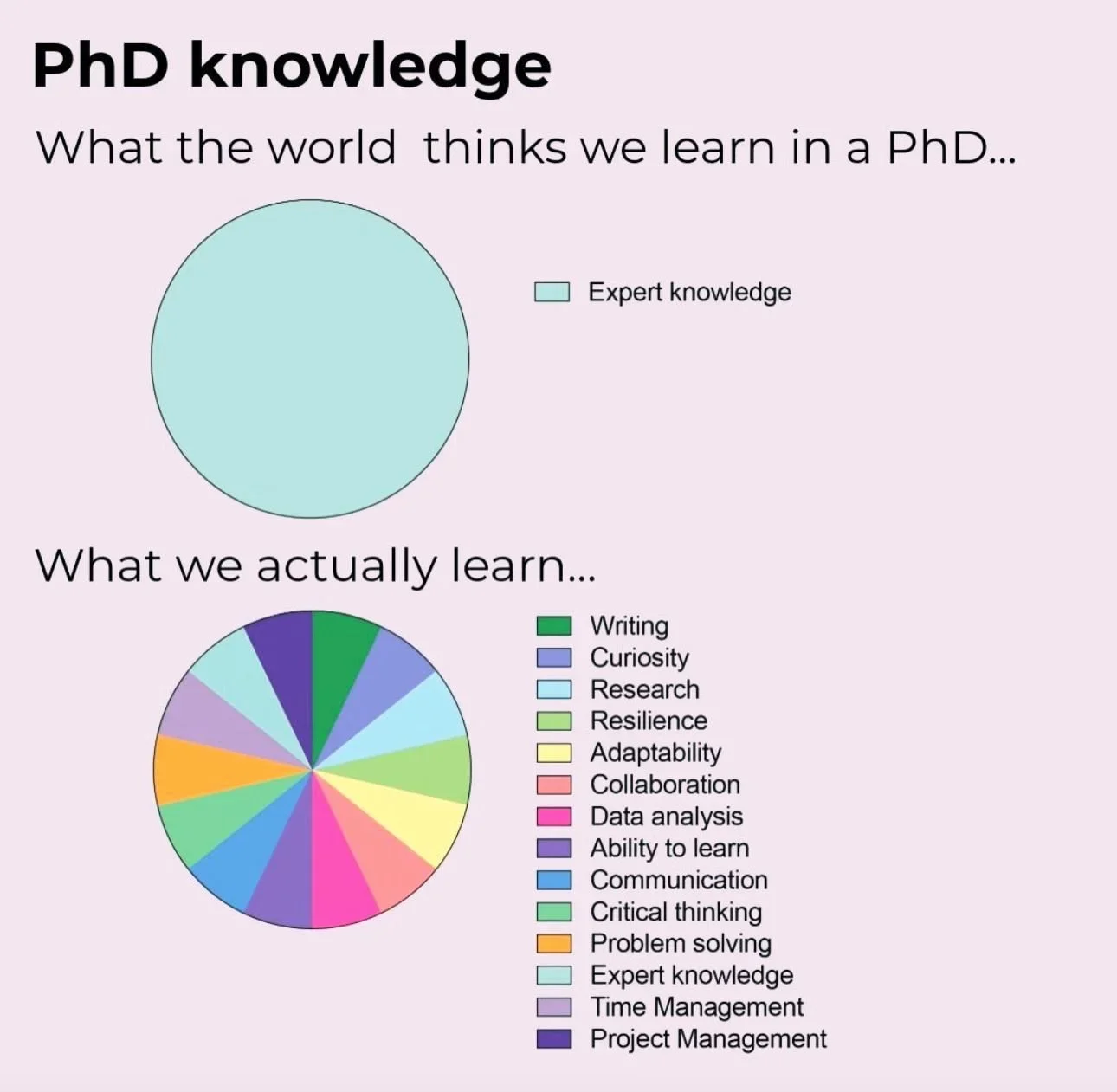
What is an Oral Defense?
An oral defense is the final academic examination of a doctoral dissertation. It is both a presentation and a dialogue, an opportunity to publicly stand behind years of research, analysis, and lived inquiry.
In this defense, I present my study on sexual health, readiness, and institutional power within the U.S. Army. I articulate the theoretical framework, research design, and findings, and address questions from my faculty committee regarding the study’s implications and contributions.
The defense marks a transition: from doctoral candidate to independent scholar. It is a moment of accountability, clarity, and intellectual authority. A scholarly rite of passage into the ACADEMY!
Abstract
Sexual health within the United States Army is primarily addressed through prevention-focused initiatives related to sexual assault, harassment, and medical compliance, leaving a critical gap in comprehensive sexualities education for service members. Despite persistently high rates of sexually transmitted infections and unintended pregnancies across the force, sexual health education remains fragmented, reactive, and largely absent from formal training structures. This study examined how service members experience the absence of a comprehensive Sexualities Education Program (SEP) and how this gap is shaped by intersecting factors, including gender, rank, institutional culture, and readiness expectations.
Using a qualitative participatory action research design, this study employed semi-structured interviews to collect in-depth narratives from sixteen service members across multiple branches of the U.S. military. Participants represented a range of ranks, occupational roles, genders, sexual identities, and years of service. Data were collected through individual interviews conducted via secure virtual platforms and analyzed using reflexive thematic analysis. An intersectional socio-ecological framework guided interpretation, attending to individual, interpersonal, organizational, and societal influences on sexual health education.
Analysis revealed six interrelated themes: the absence of formal sexual health and sexualities education; the prioritization of sexual misconduct prevention over holistic sexual health; gendered and rank-based power dynamics shaping access to information and care; cultural norms that normalize silence, stigma, and misinformation; the framing of sexual health as separate from military readiness; and participant-generated visions for an integrated and inclusive Sexualities Education Program. Participants consistently described learning about sexual health through informal, inconsistent, or civilian-based sources rather than through institutional training. Findings demonstrate that the lack of a structured SEP is not an isolated educational omission, but a systemic condition produced by intersecting organizational priorities, cultural beliefs, and power relations within the Army. Participants also described uneven access to medical information, inconsistent messaging across units, and reliance on peer networks, highlighting variability in experiences across deployments, training environments, and stages of military service and duty status.